
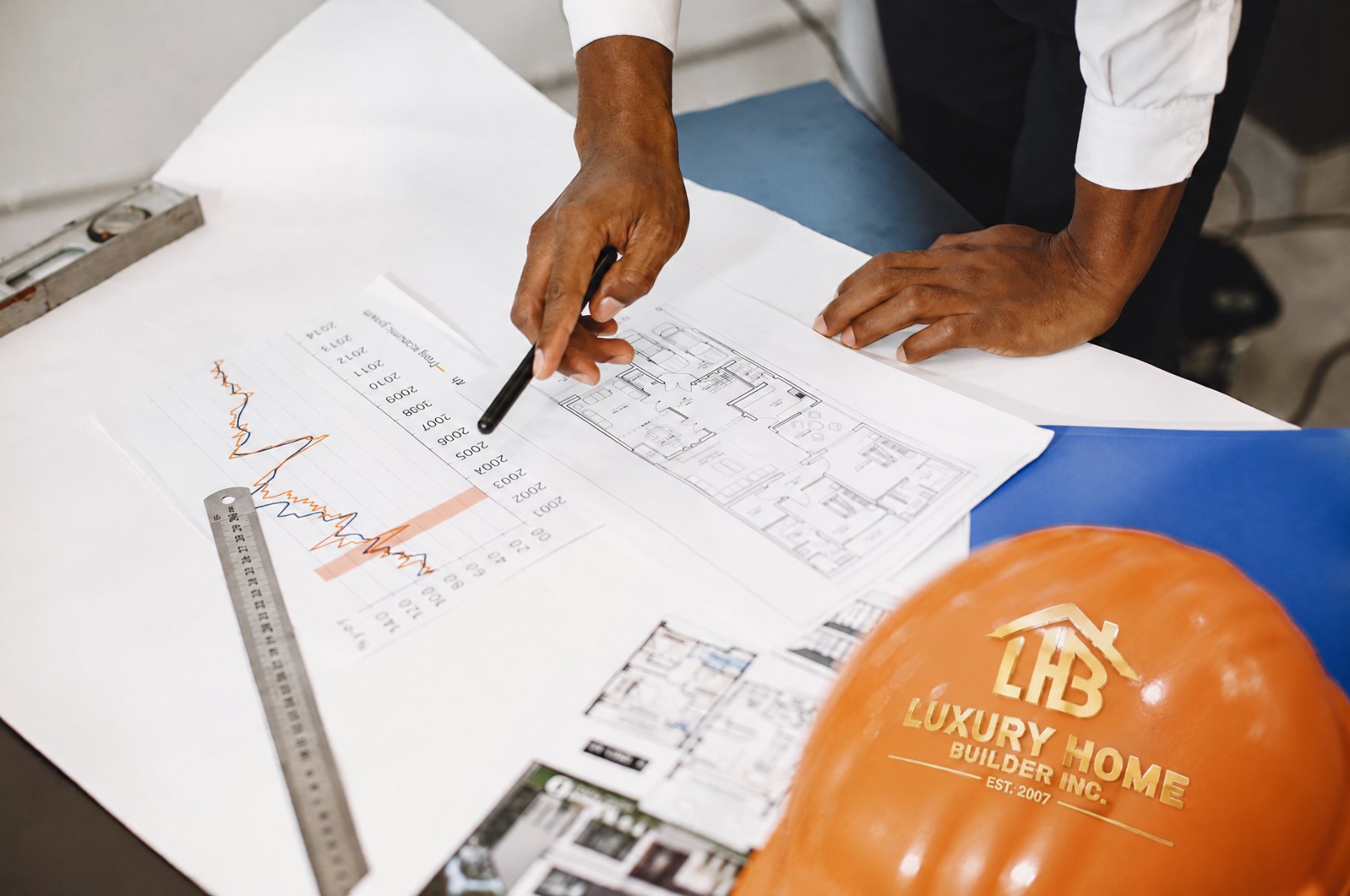
How to Finance a Custom Home in Los Angeles: Construction Loans Explained
by Luxury Home Builders Inc. | 6 Min Read
Buying a finished house and building one are financed in very different ways. With a purchase, the lender is lending against something that already exists. With a custom home, the lender is lending against a set of plans, a budget, a schedule and a builder, and the money goes out in stages as the house goes up. If you understand how that works before you sign anything, you can choose the right loan, avoid funding gaps mid-build and keep the project moving. Here is how construction financing works in Los Angeles, and what changes if you are rebuilding with insurance money.
Quick Summary
- Construction loans are paid out in draws as work is completed and inspected, not as one lump sum
- A single-close construction-to-permanent loan saves a second closing; a two-close structure gives more flexibility
- In Los Angeles County, loans above $1,249,125 in 2026 are jumbo loans, which most custom homes here will need
- Lenders underwrite the builder, the contract and the budget as closely as they underwrite you
- Fire rebuilds often combine insurance proceeds held by your mortgage servicer with new financing, and the timing of both matters
How a Construction Loan Actually Works
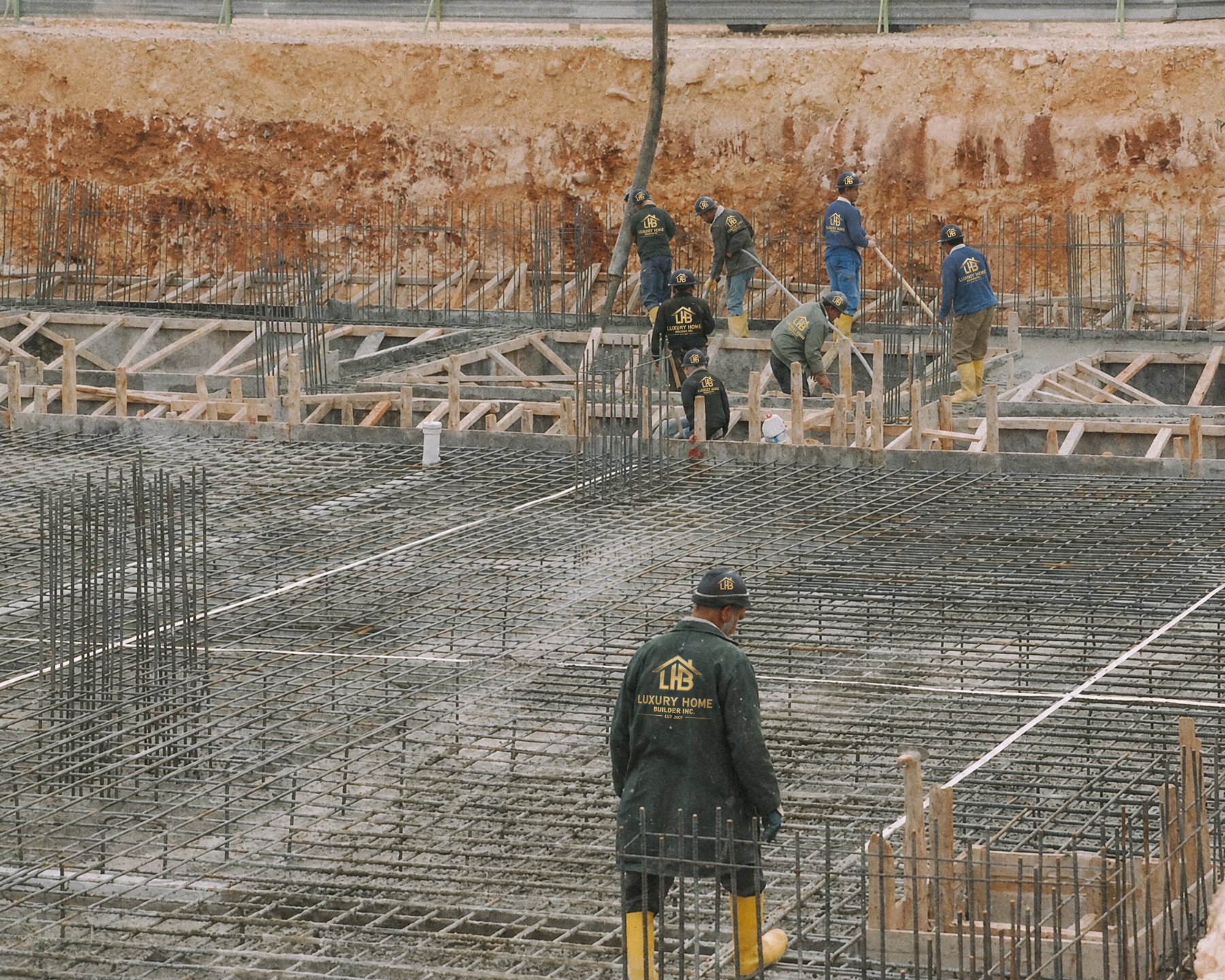
A construction loan funds the build in draws. The lender and builder agree on a draw schedule tied to milestones such as foundation, framing, rough mechanical, drywall and final. When a stage is done, the builder requests the draw, the lender sends an inspector to confirm the work is in place, and the funds are released. During construction you typically pay interest only on the amount drawn so far, so payments start small and grow as the house does.
Lenders also expect each draw to be backed by lien releases from the contractor and suppliers who were paid from the previous one. California uses statutory conditional and unconditional waiver forms for this. It protects you as much as the lender, because it keeps the title clean while money is moving.
The practical takeaway: a construction loan rewards a builder who works to a clear, milestone-based schedule and documents everything. A vague budget or a schedule that slips makes every draw slower.

Single-Close or Two-Close?
There are two main structures.
- Single-close (construction-to-permanent): one application, one closing. The loan funds the build, then converts to a regular mortgage when the home is finished. You lock in terms once and pay one set of closing costs.
- Two-close: a short-term construction loan, then a separate mortgage that pays it off at completion. Two closings and two sets of costs, but you can shop the permanent loan when the house is done and rates may be different.
The rules depend on the loan program. Under Fannie Mae’s construction-to-permanent guidelines, for example, a single-close loan whose construction phase will run longer than 18 months has to be done as a two-close transaction, and an owner who already holds the lot, including one tearing down an existing house, uses a limited cash-out refinance structure. Jumbo and portfolio lenders set their own terms, so ask each lender which structure they offer and what happens if the schedule changes.

Conforming vs. Jumbo in Los Angeles
Loan size decides which market you are in. For 2026, the Federal Housing Finance Agency set the one-unit conforming loan limit in high-cost areas such as Los Angeles County at $1,249,125, the national ceiling. Anything above that is a jumbo loan. FHFA typically announces the next year’s limits in late November.
Most custom homes on the Westside will need jumbo financing. Jumbo construction loans usually come with stricter requirements: larger down payments, higher credit scores and more cash reserves after closing. Terms vary widely between banks, so it pays to compare several and to start that conversation early in design rather than after plans are drawn. What drives the size of the loan is the budget, which we break down in our guide to what drives the cost of a custom home in Los Angeles.
If you already own the lot, your equity in the land can often count toward the down payment. Lenders treat this differently, so ask how they value land you own and whether the appraisal is based on the finished home.
What Lenders Want to See From Your Builder
A construction lender is taking a risk on the builder, so expect them to review:
- The contractor’s California license and insurance
- A signed construction contract with a detailed, line-item budget
- A realistic schedule and a draw schedule that matches it
- Approved plans and permits, or a clear path to them
- How contingencies, upgrades and change orders are priced
Open-ended pricing is one of the biggest risks in any build loan, because cost overruns are not something the lender will simply cover. You end up funding them in cash. That is why we offer locked pricing and guaranteed timelines through our custom home build program, and why our all-inclusive pricing covers architecture, demolition, permit fees and new utility connections. Our article on locked pricing, guaranteed timelines and warranties covers the questions to ask any builder about how those promises are written.
Financing a Fire Rebuild: Insurance Proceeds and Your Lender
If you lost a home in Pacific Palisades or Malibu, your rebuild is likely funded by a mix of insurance proceeds, savings and possibly a new or modified loan. One detail catches many owners off guard: if you still have a mortgage, the dwelling portion of your insurance settlement is usually paid to your mortgage servicer, who holds it and releases it in stages as the rebuild progresses.
California has been tightening the rules on how servicers handle that money. A 2025 state law, AB 493, requires lenders holding insurance proceeds during a rebuild to pay homeowners interest on them. In July 2026, the Governor wrote to lender groups calling for release within 10 business days, an expedited appeals process and no proceeds held above the outstanding loan balance. In October 2026, the Department of Financial Protection and Innovation ordered state-licensed lenders and servicers to report how they have handled payouts to LA fire survivors.
For planning purposes, ask your servicer early for its loss-draft procedure in writing: how much it releases up front, what it needs for each later release, and whether it inspects. Then align that schedule with your builder’s draw schedule so the two do not leave a gap. Our Pacific Palisades fire rebuild program includes insurance coordination, aligning the rebuild scope and budget with your settlement and documenting what your carrier needs.
Building as an Investment
Not every build is a primary residence. Owners rebuilding a rental, an inherited property or a home they plan to sell will find that lenders price these loans differently, usually with larger down payments and tighter terms than an owner-occupied loan. The same rule applies: the clearer the budget and schedule, the easier the loan. Our build-as-an-investment program is set up for rental owners, flip investors and advisors managing family properties.
Get Your Financing and Your Build Lined Up Together
We provide full financing guidance and work with trusted lenders offering construction loans and long-term mortgage options, so the loan, the contract and the schedule are built to fit each other from the start. Before you apply, start with a Build Analysis, a feasibility review and a financial assessment on your parcel, at no charge.
You can see homes we have finished, read what our clients say, or request your free consultation.
Call 424-493-4051 or email info@luxuryhomebuildersinc.com. Our offices are at 984 Monument St #102 in Pacific Palisades and 15301 Ventura Blvd Bldg B in Sherman Oaks.
Thinking about building?
We will walk your lot, review your options and give you a clear path forward. No pressure, no obligation.